
Looking to make exotic pet care easier to chew?
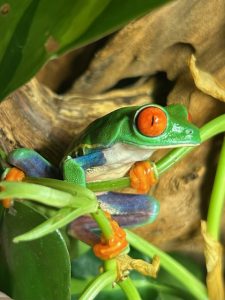
This exclusive interview with local exotic pet owners will provide insight into the behind the scenes of exotic pet care.
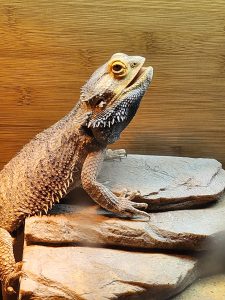
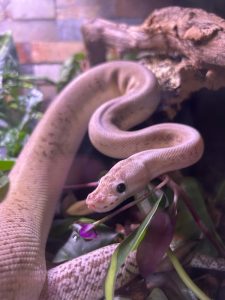
Long renowned among misfits, the curious, and animal lovers at large, exotic pet ownership covers a myriad of species including rabbits, frogs, arachnids, lizards, snakes, and so much more. Have you ever been interested in exotic pets? Three local owners share their thoughts on responsible husbandry, exotic pet relationships, and trustworthy resources.
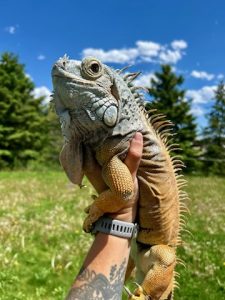
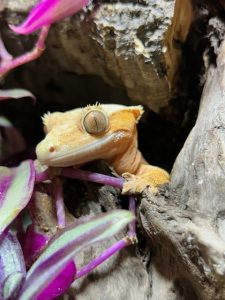
Q: What is the most rewarding part about exotic pet care?
A1: The most rewarding part of exotic pet care to me is just being able to see them grow and thrive every day and knowing that you’re the person keeping them cared for.
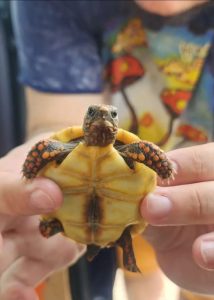
A2: For me, the most rewarding part about exotic pet care is observation and interconnectivity.
All of my animals have a unique personality and way of life.
I keep species that originate from many different places. They come from the deserts of Australia and the rainforests of South America, the grasslands of Africa and further on. My exotics remind me to slow down and appreciate the natural beauty that is found all over the world.
A3: I love watching every little thing about the animals. Where they choose to sleep, what things excite them, where they like to explore. Just being able to observe and share life with a creature most people don’t see every day.
Q: I understand that sometimes exotic pet resources can be difficult to come by. How do you best verify care information for your exotic pets?
A1: Online forums and YouTube have been a lifesaver. When there isn’t much official research on an animal, the next best thing is learning from the collective knowledge of people in the hobby.
A2: My biggest advice on finding legitimate info is to look to the experts. Read current and updated care guides that have been curated by experienced keepers. There are many exotic pet care groups online. Make sure to look for groups that are have herpetologists or entomologists, rather than just general keepers.
Experts are objective, not subjective. They are more than willing to share their knowledge and answer questions.
Do not take a pamphlet or advice from a major pet chain and leave it at that. Their workers may have general knowledge on a lot of animals, but specifics are key when it comes to proper nutrition and husbandry. Often, I’ve found that these pamphlets contain incorrect information that only benefits those wanting to sell more animals or items to people.
A3: You want to look for trusted resources whenever searching for things online. Find scientific studies that support the resources. Make sure the information is coming from someone with education about the species, not just someone who has “had them for years.” Another way I like to get information is by collaboration with other owners through Facebook groups. Sharing photos of the animal’s setup, diet, etc. so we can all hold each other accountable to be better and help educate one another.
Q: What part of exotic pet care do you find yourself doing most often?
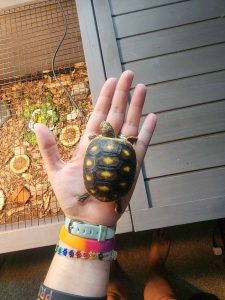
A1: The thing I do most frequently is feed my animals and make sure that their environment has the correct temperature and humidity. I handle my tortoise daily, but the rest of them don’t get held as often.
A2: The pet care that I find myself doing most often is grocery shopping and feeding. All of my animals have different diets and requirements when it comes to mealtime. Some of my animals eat daily, some weekly, some only a few times a month. I keep omnivores and carnivores, so I have to keep a large variety of veg, fruits, and feeder insects available at all times.
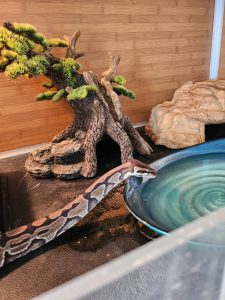
A3: In my case, it’s mostly enclosure maintenance. Since the habitats my animals live in are complete ecosystems, I have to make sure the ecosystem has everything it needs to thrive. The right temperature, light, water, plants, bugs, etc., and maintaining these different pieces to keep everything in harmony to create the right conditions for the animal.
Q: Is it true that exotic pets don’t show affection like traditional pets do?
A1: I think its true that most exotics don’t show affection to the same level as a dog or a cat, but the level of affection depends on the type of animal.
Most reptiles are still going to be able to recognize you, find a level of comfort in safe people, and favor certain people over other people.
But most bugs aren’t able to feel or show affection.
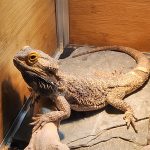
A2: I find this statement both true and false. There are just too many species that fall under that umbrella for there to be one answer. Growing up, I kept a lot of exotic mammals. My chinchillas, rats, and guinea pigs were interactive pets. Easily you can see that they like or dislike certain things, you can play with them and hang out with them. They enjoy your company and attention in a way similar to dogs and cats. The reptiles and invertebrates are a bit different. My tortoise and beardie seek attention. They recognize different people and will walk up to for scratches. That could be considered affection. Where as the snake and invertebrates just want a safe environment, warmth, and food.
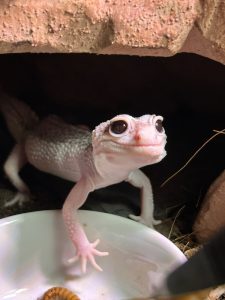
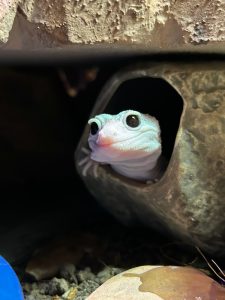
A3: It is true that most exotic pets don’t show affection in the “traditional” sense most of the time. Affection from reptiles and amphibians usually looks more like choosing to come out and see you when you approach rather than hide, or tolerating handling or petting. But they certainly do show affection, in their own ways. A lifted head to permit some chin scratches, settling into you comfortably for a snooze, and enjoying hand feeding are some examples.
Q: What is a misconception about exotic pet care you heard of or believed before you started caring for your own?
A1: One misconception I believed about exotics was that they require less work or money than a cat or a dog. Most exotics require daily care and have specific environmental and dietary needs that can be time consuming and expensive. I think its worth it and very rewarding, but exotic pets should never be an impulse buy.
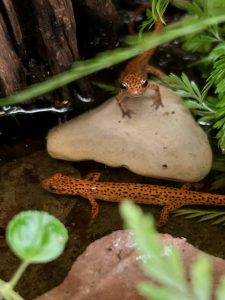
A2: A misconception that I had about exotic care growing up is that it was boring. Like pet rocks, you just put ’em in a box and forget about them. However,
they are so much more complex than that.
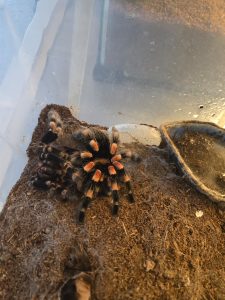
Even watching the simple animals like the tarantulas is so interesting. They have their own little lives and personalities. They like to redecorate their enclosures for fun, they do happy dances after they eat. It’s so cool to me.
A3: It is often said that having multiple pets is dirty or smelly. This really should not be the case. It is absolutely possible to keep exotic pets and still be clean and odor free with the right care. I even have a free roaming, 4 foot iguana in my house, and she very politely uses her litter box (a trained behavior) for ease of cleaning!
 So, what are the takeaways?
1. Do your research…and thoroughly!
2. A suitable, well-maintained enclosure makes for a happy pet
3. Enjoy yourself, and your pet’s unique characteristics!
Looking for care for your exotic pets? Perna’s is species-inclusive! Contact us today!
Rats, we forgot… about rats! Check out this blog!